
HEAS Member Verena Schuenemann Publishes Research on How Leprosy Spread Between Red Squirrels And People in Medieval England
More On Article
- HEAS member Mathias Mehofer awarded a 3-year project grant on medieval metallurgy
- Tracing 2500 years of human betaherpesvirus 6A and 6B diversity through ancient DNA.
- New collagen peptide markers from New Guinea fauna: identifying archaeological bone in the tropics
- New FWF Podcast 'Was Wir Wissen' Launched
- HEAS Members Awarded FWF Grant for a Project on “Beyond the Burial”
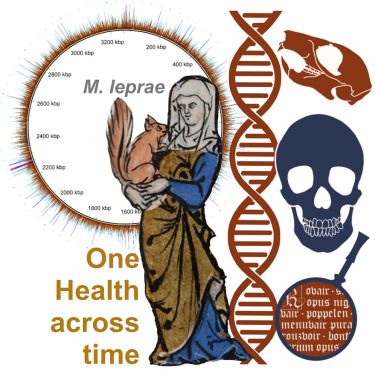
Leprosy is a chronic infectious disease that continues to sicken 200,000 people each year in many places around the world, according to the World Health Organization, spread through close contact over months with someone who has untreated leprosy. But new evidence from archaeological sites in the medieval English city of Winchester reported in Current Biology on May 3, 2024, shows that English red squirrels once served as an important host for the Mycobacterium leprae strains responsible for leprosy in people.
The findings may have implications for understanding the spread of leprosy today, including why it has not been successfully eradicated, according to the researchers. In the wake of the COVID-19 pandemic, they also highlight the importance of a collaborative One Health approach for understanding infectious diseases and health outcomes more broadly. One Health refers to an approach that recognizes that the health of people is closely linked to the health of animals and the environment.