HEAS Members Publish a Cambridge Elements booklet on Ceramic Analysis : Laboratory Methods
More On Article
- HEAS member Mathias Mehofer awarded a 3-year project grant on medieval metallurgy
- Tracing 2500 years of human betaherpesvirus 6A and 6B diversity through ancient DNA.
- New collagen peptide markers from New Guinea fauna: identifying archaeological bone in the tropics
- New FWF Podcast 'Was Wir Wissen' Launched
- HEAS Members Awarded FWF Grant for a Project on “Beyond the Burial”
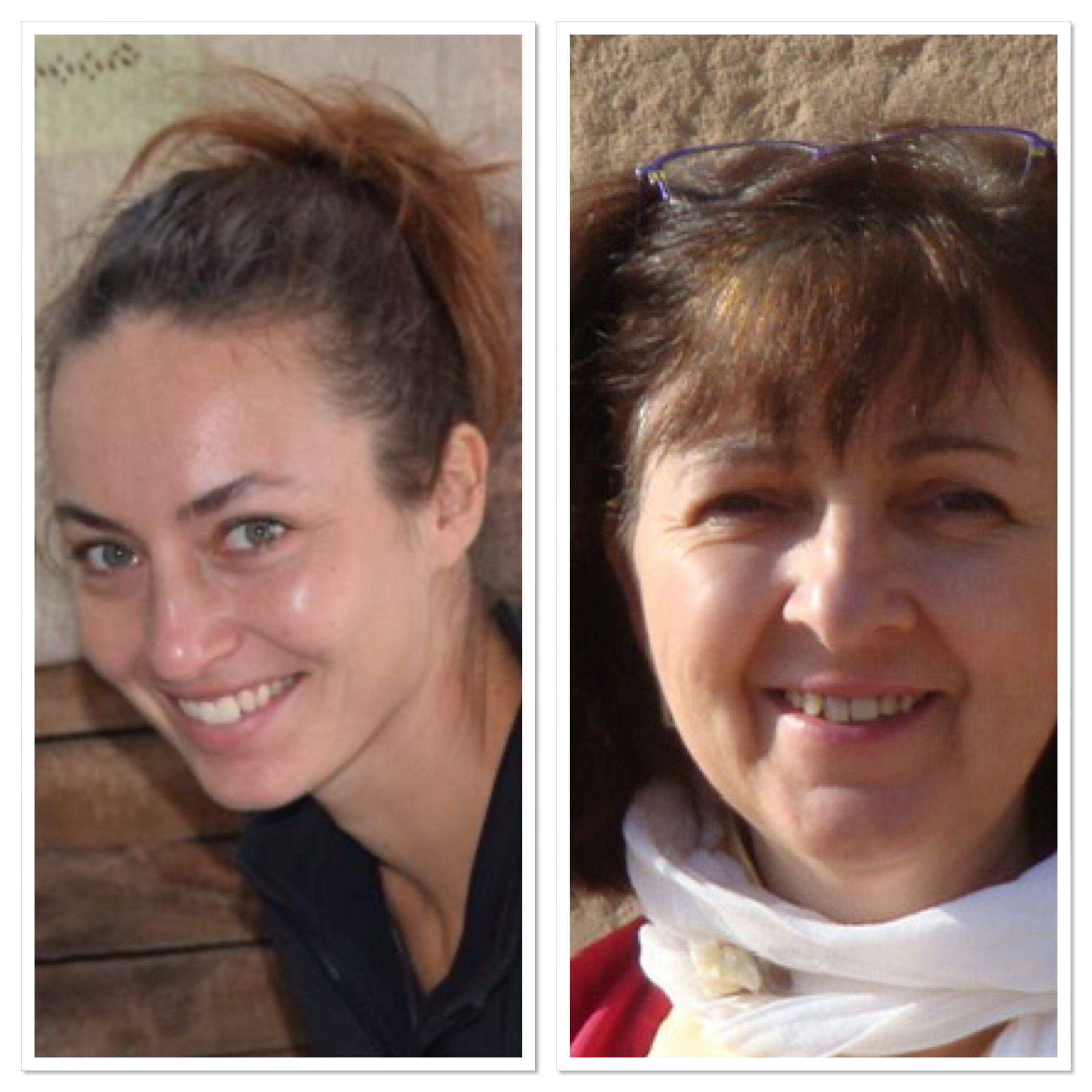
HEAS Team leaders Michaela Schauer and Irmgard Hein et al. have recently published a Cambridge Elements booklet on Ceramic Analysis: Laboratory Methods. Link to the publication is here.
This Element, authored by a team of specialist researchers, provides an overview of the various analytical techniques employed in the laboratory for the examination of archaeological ceramic materials.
Pottery represents one of the earliest technical materials used by humans and is arguably the most frequently encountered object in archaeological sites. The original plastic raw material, which is solidified by firing, exhibits a wide range of variations in terms of production methods, material, form, decoration, and function. This frequently presents significant challenges for archaeologists. In modern laboratories, a variety of archaeometric measurement methods are available for addressing a wide range of archaeological questions. Examples of these include determining the composition of archaeological materials, elucidating the processes involved in manufacturing and decoration, estimating the age of archaeological material, and much more. The sections present available methods for analysing pottery, along with an exploration of their potential application.